The Art of Dabbing Extracts: A Guide to Honey Oil and Cannabis Concentrates
@mydabbingextractsguide
October 16, 2026 · 6 min read
Getting Started with Concentrates
When I first tried dabbing extracts a few years ago, I was surprised by how different the experience was compared to smoking flower. The hit was cleaner, the flavor more intense, and the effects came on faster. I had started with a simple nail and torch setup, but over time I learned that the world of cannabis concentrates is far deeper than just buying a gram of wax and calling it a day. Today, I want to share what I have learned about honey oil, solventless extraction, and how to choose the right product for your dab rig.
What Are Dabbing Extracts?
Dabbing extracts refer to any concentrated cannabis preparation that you vaporize on a hot surface. The most common forms are wax, hash oil, and live resin. What separates a top-shelf extract from a mediocre one comes down to how it was made and whether it has been lab tested. A good full spectrum extract will retain a wide range of cannabinoids and terpenes, delivering what many call the entourage effect. That synergy between different compounds is what makes dabbing so rewarding.
Extraction Methods Matter
There are several ways to make cannabis concentrates, and each method affects the final product. Solventless extraction uses only mechanical separation, usually through heat and pressure. Rosin pressing is a popular solventless method that preserves terpenes well. On the other hand, hydrocarbon extraction uses solvents like butane or propane to strip the plant material. CO2 extraction is another method that uses carbon dioxide under high pressure. It produces a very clean product but is less common because of the equipment cost.
Solventless vs. Solvent-Based
I have tried both types, and I generally prefer solventless extracts for flavor. They tend to taste more like the original plant. But solvent-based extracts can have higher THC percentages because they pull more cannabinoids from the trichomes. The trade-off is that some residual solvent can remain if the purge process is not thorough. That is why lab testing is so important. A certificate of analysis will tell you if any contaminants are present and confirm the THC and CBD levels.
Honey Oil and Its Appeal
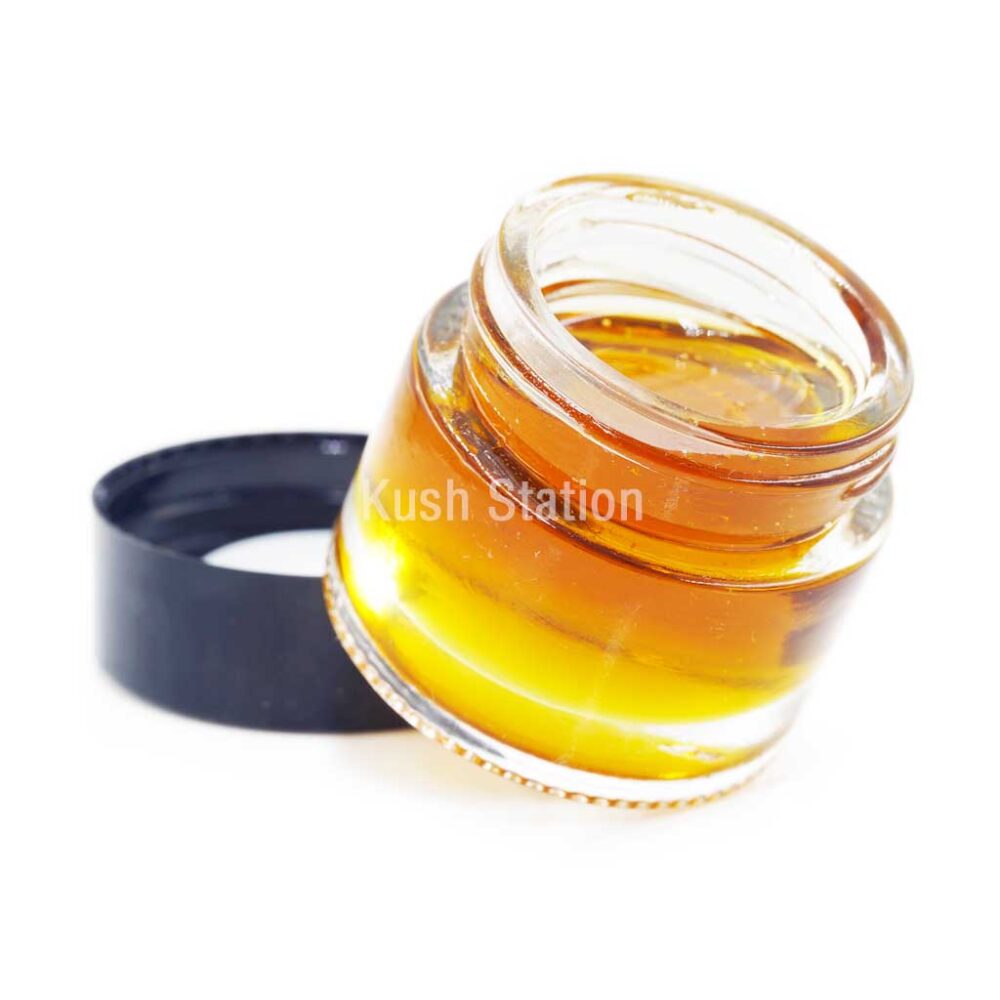
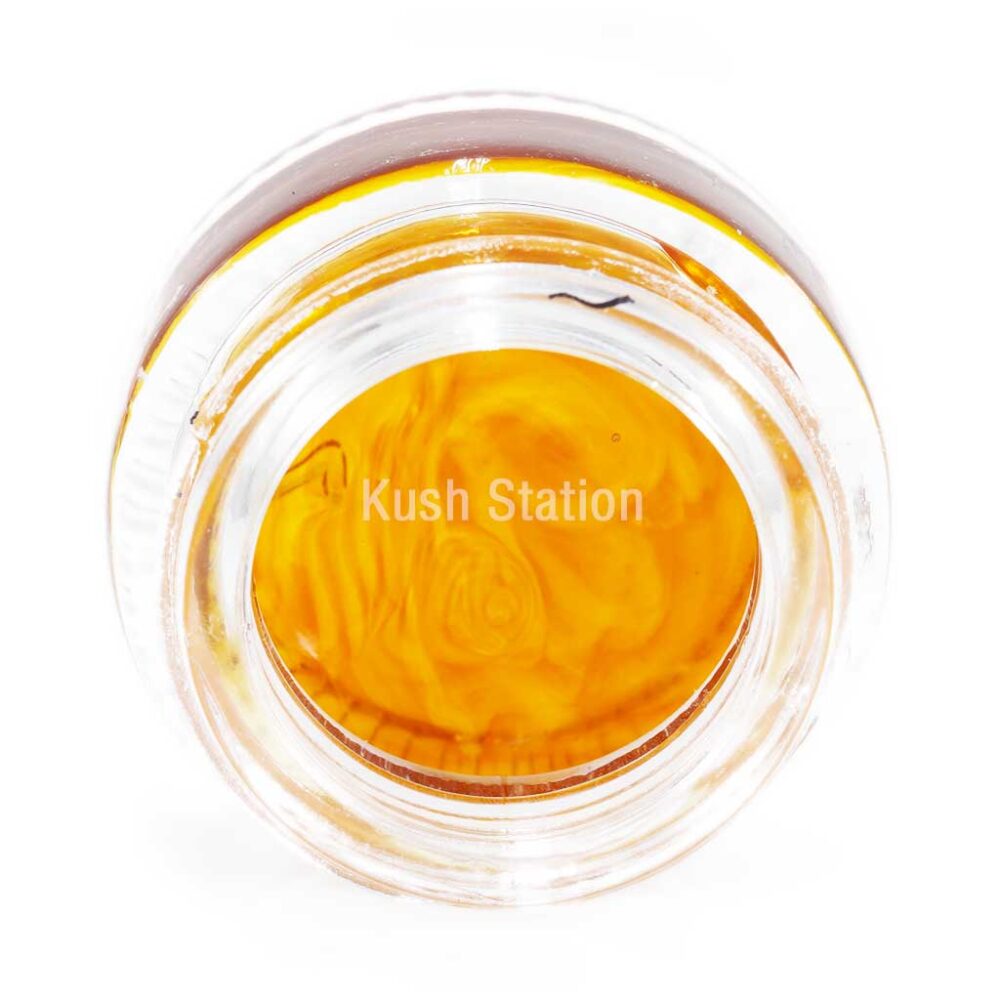
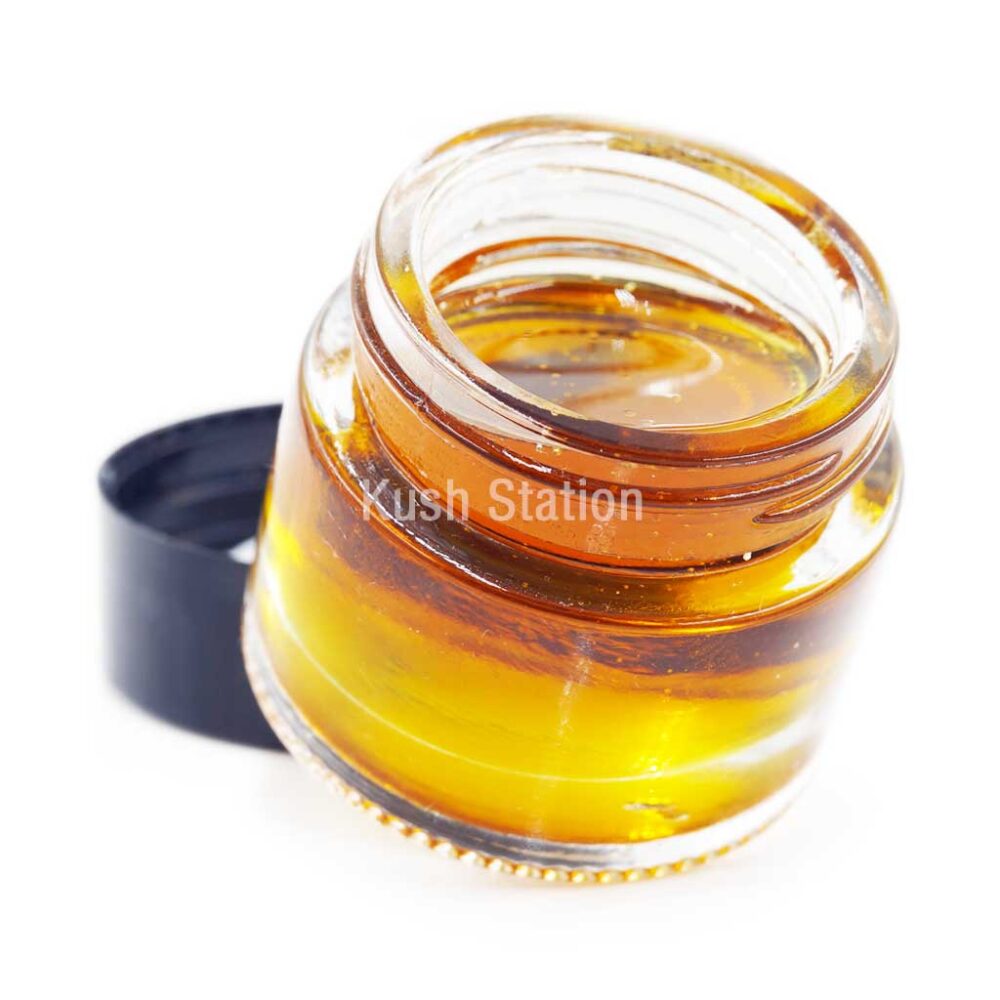
Honey oil is a term you will hear often in the concentrate world. It describes a runny, amber-colored extract that often comes from a solvent-based extraction. It can be very potent, sometimes testing above 80% THC. The consistency is like a thick syrup, which makes it easy to handle with a dab tool. I find honey oil especially good for beginners because it is forgiving on a hot nail. You do not have to worry as much about burning it compared to a crumbly wax.
Strain Profiles and Terpenes
One thing I have learned is that strain profiles matter just as much with concentrates as they do with flower. A live resin made from a fresh-frozen plant will capture more volatile terpenes than a dried and cured plant. That translates to a more aromatic and flavorful dab. For example, a citrus-heavy strain like Lemon Skunk will taste brighter in a live resin than in a dried hash oil. Terpenes are delicate, so how the plant is handled before extraction has a huge impact on the final product.
How to Choose a Concentrate
Here are a few things I look for when buying cannabis concentrates:
- Lab testing results: I check the THC percentage and look for any residual solvents or pesticides.
- Appearance: A good extract should look consistent, not separated or crystallized unevenly.
- Smell: Fresh terpenes should be strong and true to the strain. A hay-like smell means the extract is old or poorly made.
- Consistency: Waxes can range from sticky to crumbly. I prefer a consistency that is easy to work with on a dab tool.
- Source: I buy from reputable sellers like KushStation who provide lab-tested honey oil and other concentrates.
Dabbing Equipment
Your dab rig setup will affect how the concentrate vaporizes. A basic rig has a nail that you heat with a torch. But many people now use an e-nail, which keeps the temperature constant. A terp slurper is a type of banger that has a dish and a cylinder inside. It allows the concentrate to vaporize more evenly and gives better flavor. I switched to a terp slurper last year and noticed a real difference in taste.
Temperature Tips
Temperature is critical when dabbing extracts. If the nail is too hot, you will burn the terpenes and get a harsh hit. If it is too cold, the extract will not vaporize fully and you will waste some. I aim for around 500 to 550 degrees Fahrenheit for most waxes. For honey oil, I go a little lower, around 470 degrees. Using an e-nail or an infrared thermometer helps get it right every time.
Lab Testing and Safety
Lab testing is not just a marketing buzzword. It is a safety measure. Cannabis concentrates can be contaminated with heavy metals, pesticides, or residual solvents if they are made poorly. A good lab test will show the full cannabinoid profile, including minor cannabinoids like CBG and CBN, and confirm the absence of harmful substances. I never buy a product that does not have a recent certificate of analysis. KushStation is one of the few places I trust because they test every batch and post the results.
The Entourage Effect in Concentrates
Full spectrum extracts are designed to capture as many cannabinoids and terpenes as possible. This creates the entourage effect, where the compounds work together to produce a more balanced experience. For example, a high-THC extract with no CBD will feel very different from one that has a little CBD and some minor cannabinoids. I notice that full spectrum extracts give a more relaxed and complete high compared to isolates.
Common Mistakes When Dabbing
When I first started, I made several mistakes. I would heat the nail red-hot and then wait too long to dab, so the temperature dropped too low. Or I would use too much extract at once, which would pool in the banger and not vaporize. Here is a quick list of tips to avoid those issues:
- Use a timer or thermometer to hit the right temperature zone.
- Start with a rice-sized amount of concentrate and adjust from there.
- Clean your banger after each dab with a cotton swab to prevent residue buildup.
- Store your extracts in a cool, dark place to preserve terpenes.
Final Thoughts on Dabbing Extracts
Dabbing extracts has become my preferred way to consume cannabis. The flavor is cleaner, the effects are more precise, and the ritual of heating and dabbing feels satisfying. Whether you choose honey oil, live resin, or wax, the key is to buy from a source that prioritizes quality and transparency. Look for lab-tested products and pay attention to the extraction method. Solventless methods like rosin press give great flavor, while hydrocarbon extraction can yield higher potency. Each has its place, and trying different types will help you find what you like best.
If you are new to concentrates, start with a small dab on a moderate temperature. You can always increase the amount as you get comfortable. And remember that the equipment matters. A good dab rig with a terp slurper or an e-nail will make a big difference in how your extracts taste and feel. Over time, you will develop a sense for what works with each strain and consistency.
I hope this guide helps you get more out of your dabbing experience. The concentrate world is full of variety, and there is always something new to learn. Enjoy the journey.